
STEM from the start
Big thinking begins with small discoveries
At Little Giants, STEM is not a timetable slot or a collection of flashy experiments. It is a way of noticing, wondering, testing, building, and trying again through play.
Everyday investigation
STEM lives in children's questions
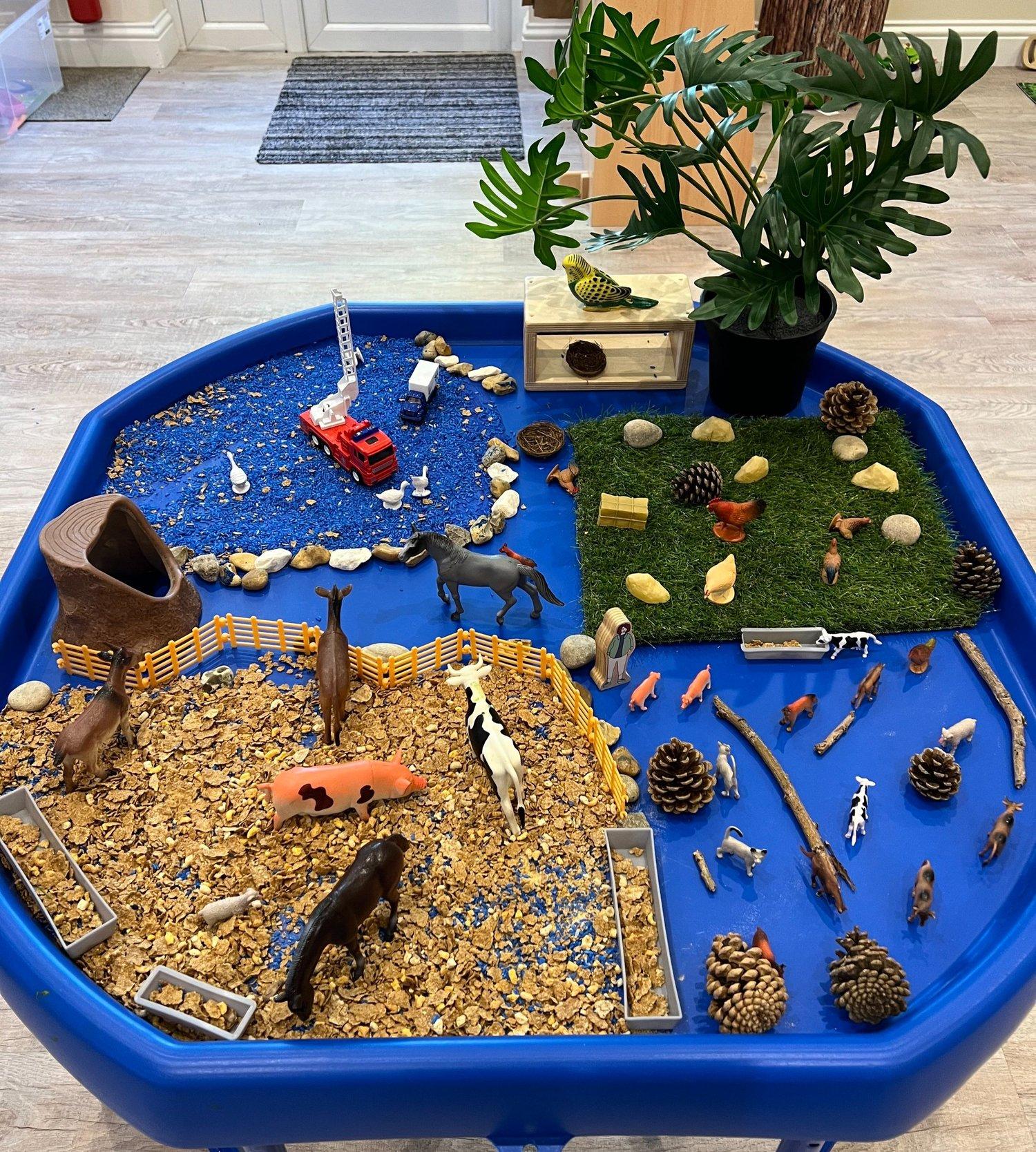
Why did the tower fall? Which object will roll furthest? What happens when colours mix? How can water travel from one container to another? These ordinary questions open the door to extraordinary thinking.
Educators add precise language, useful tools, and just enough challenge. Children learn to predict, observe, compare, explain, and change their approach when something does not work yet.
- Cause and effect through sensory play
- Ramps, pulleys, blocks, and simple machines
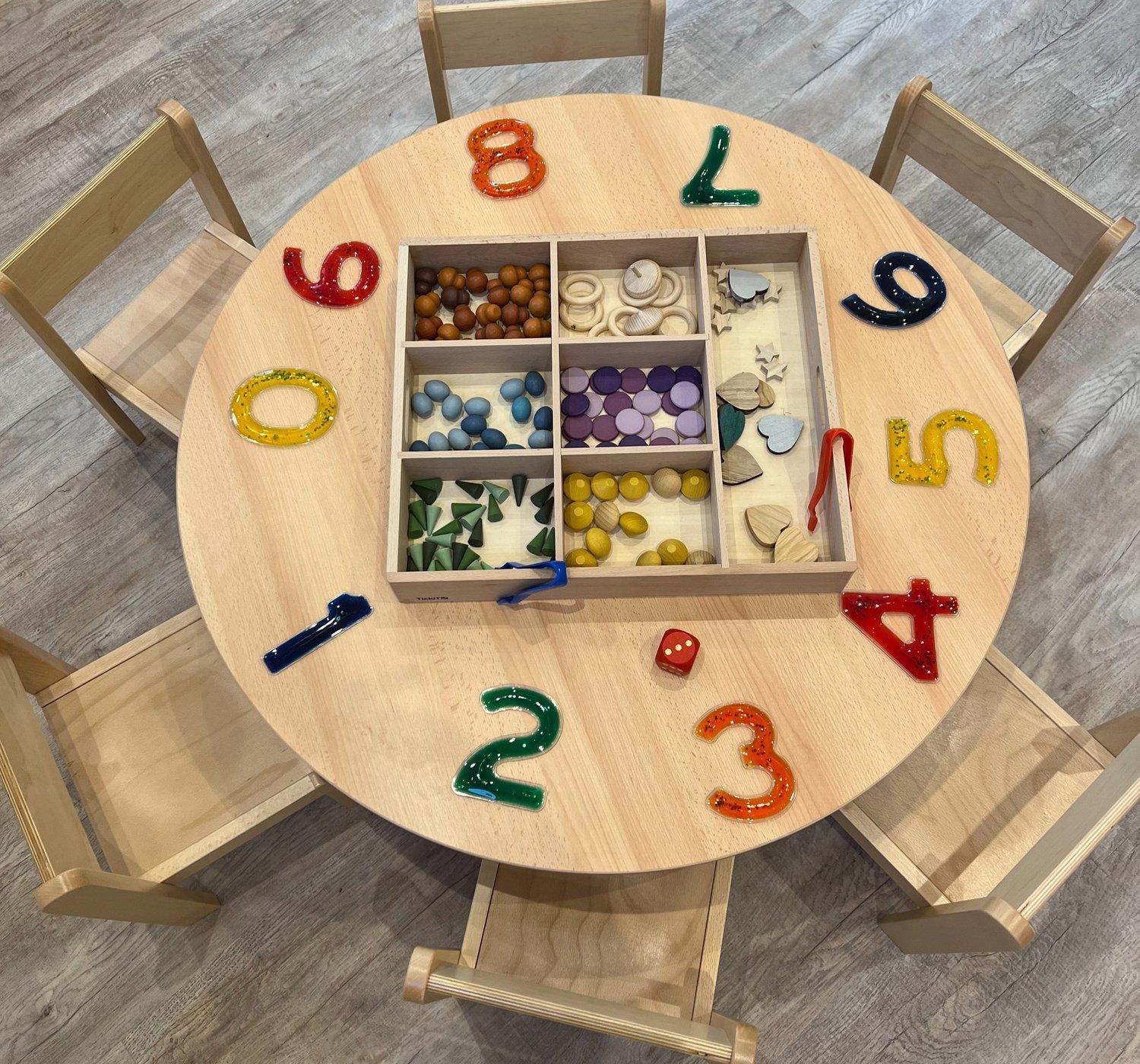
- Sorting, counting, measuring, and pattern making
- Nature study, growing, light, sound, water, and motion
Skills for life
Curiosity, resilience, and creative problem-solving
The value of early STEM is bigger than learning facts. Children practise staying with a problem, sharing an idea, listening to another approach, and treating a mistake as useful information.
These habits support every area of learning. They help children become flexible thinkers, confident communicators, and enthusiastic participants in their own education.

Progression through the rooms
The questions grow with the child
For our youngest children, STEM begins with movement, texture, sound, light, and repetition. Toddlers explore simple mechanisms, filling and emptying, and early classification. Preschoolers can plan a build, record an observation, use positional language, and work through longer projects.
The subject changes, but the learning relationship stays consistent: the child explores, the adult notices, and together they find the next useful question.
Questions families ask
Useful answers before you visit
Every child and attendance plan is different. Bring the details that matter to you, and we will give you a clear answer.
Ask the nursery teamIs STEM suitable for babies?
Yes, when it is understood as sensory investigation rather than formal teaching. Babies learn about cause and effect, movement, texture, sound, light, and object permanence through responsive play.
Does STEM mean more screen time?
No. Early STEM is overwhelmingly hands-on. Technology can mean tools, mechanisms, and understanding how things work, not simply using a screen.
How does STEM support school readiness?
It strengthens communication, early maths, concentration, collaboration, problem-solving, and the confidence to try an unfamiliar task.
En avant
Come and take a look around
Meet the team, explore the rooms, and talk through the childcare you need.