
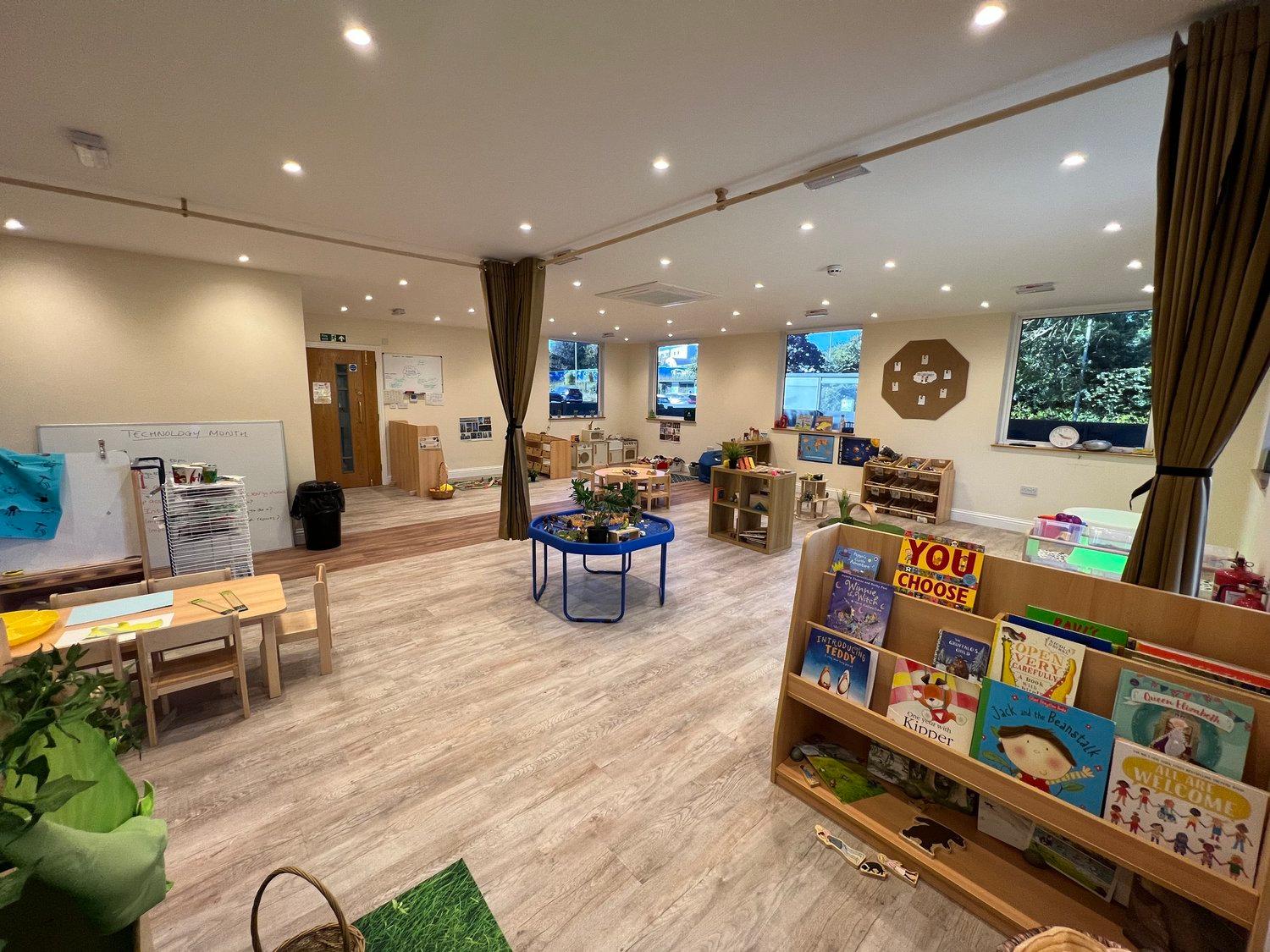
Our preschool room
Preschool and school readiness in Uxbridge
School readiness is more than recognising letters and numbers. It is feeling confident in a group, communicating needs, caring for belongings, staying with a challenge, and approaching new learning with curiosity.
A broad foundation
Ready for school, ready for more than school
Our preschool curriculum gives children the language, physical skills, emotional security, and early knowledge that make the move to reception feel manageable and exciting.
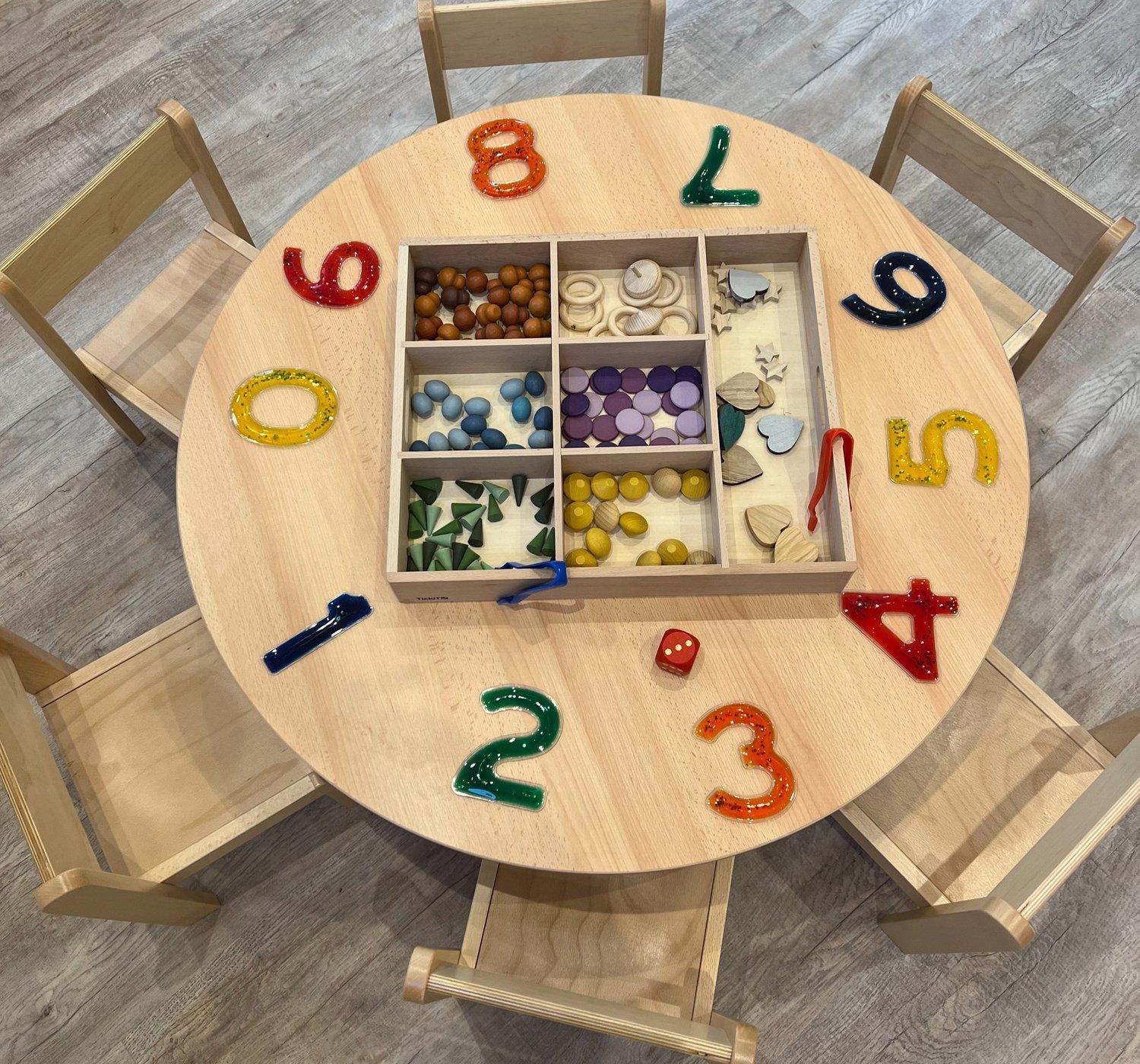
Children encounter phonological awareness, stories, mark-making, number, shape, measure, art, music, movement, nature, and the wider world through meaningful projects and play.
- Listening, turn-taking, and expressing ideas
- Early writing strength through practical and creative work
- Number sense developed through real problems and routines
- Self-care, resilience, and confidence in a group
Little inventors
Longer projects and deeper questions
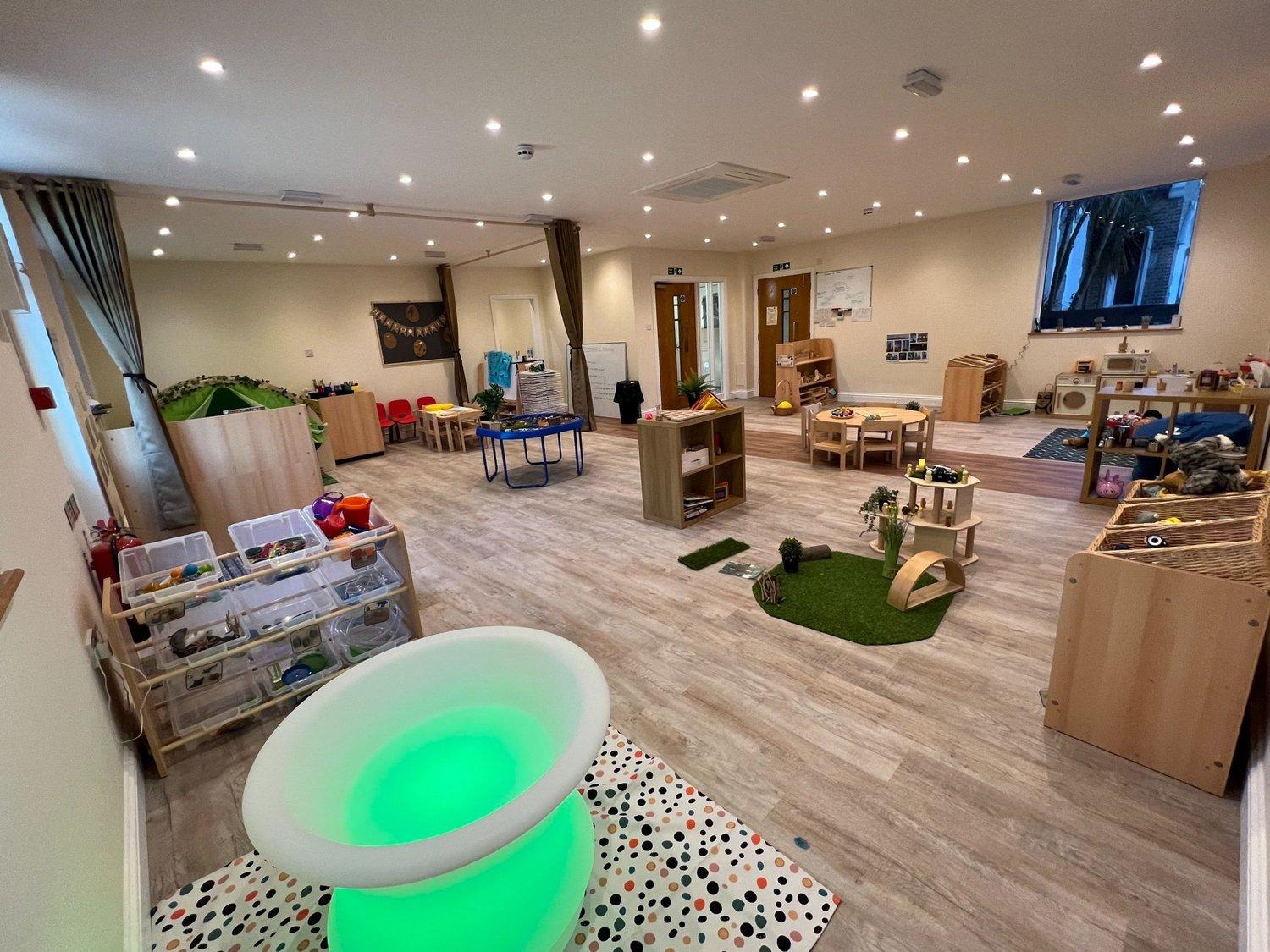
Preschool children can plan, test, record, revisit, and explain in increasingly complex ways. A building challenge can involve sketching, selecting materials, counting, measuring, collaborating, and improving the design.
Educators introduce vocabulary and knowledge while keeping the child active. We want children to see themselves as thinkers whose ideas are worth exploring.
The transition to reception
Continuity, communication, and a positive goodbye
We talk with families about the transition to school, celebrate the progress each child has made, and help children build a positive picture of what comes next.
The strongest preparation is a child who can seek help, share attention, manage familiar routines, recover from difficulty, and remain interested in learning. Those qualities are practised throughout the preschool day.

Questions families ask
Useful answers before you visit
Every child and attendance plan is different. Bring the details that matter to you, and we will give you a clear answer.
Ask the nursery teamHow do you prepare children for reception?
Preparation is woven through daily life, including communication, group participation, early literacy and maths, self-care, problem-solving, and emotional confidence.
Do children have formal lessons?
Teaching is purposeful and age-appropriate, usually through play, projects, stories, routines, and short small-group experiences rather than school-style lessons.
Can preschool places use funded hours?
Funded childcare may be available depending on your child's age and family eligibility. We will explain current options and how they can fit an attendance pattern.
En avant
Come and take a look around
Meet the team, explore the rooms, and talk through the childcare you need.